

Welcome to Laura Ladner's Candle Company.
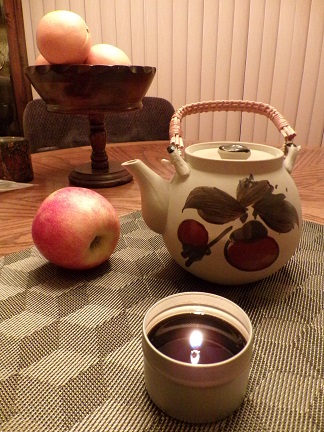
Economically, Ecologically and Environmentally Friendly Candles!
Laura Ladner candles are designed with a focus on our soy candles, which are safe, clean and BPA free.
Soy candles use only 100% natural, renewable and sustainable soy wax that is produced in the USA, where the soy is actually grown by American farmers.
Our fragrance mixology for all candles strives for lightly and lingering scents that are not over powering in small rooms, and still subtly detectable in larger areas.
The tin containers are seamless, made from steel and have little feet on the bottom to keep the burning surface cool. The outside has a nice finish and snug fitting lids. Inside has a varnish coating to help protect the metal from discoloring.
Tea candle's are poured into high end clear plastic cups, chosen for durability and aesthetically pleasing appearance. Each candle is individually hand colored for authentic aritsan appeal.
All candles are properly wicked and pre-trimmed for the first burn. We strive for a perfect burn: steady flame, no flickering, no wick carbon build up. All containers are reusable and recycleable, with easy peel off labels.
Laura Ladner's Candle Company is a sole proprieter woman-owned business operating as a DBA in the county of Monroe, New York.
Candles
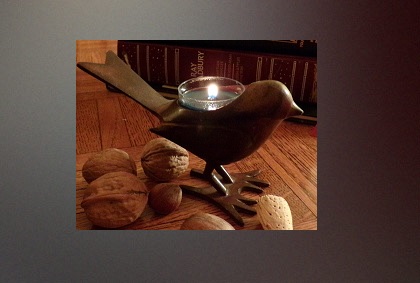
Tea Candles
 Uniquely artisan, no two are exactly alike. Each has it's own curious & contemplative marbled appearance, though once burned, they will blend into one color.
 Available in scent sampler bags and boxes of 8 or 12.

Layered Candles
Coming Soon!
Glass Jar Candles
Coming Soon!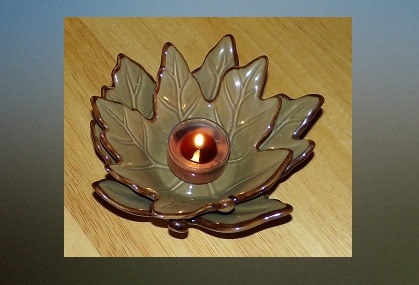
Clearances
Imperfect 2nds and 3rds.
Specialty Candles
Seasonal and Limited EditionsAbout The Candles & Company

Hi! I'm Lynne Perry.
Laura Ladner Perry was my Mom, born in Warren, PA in 1918 (Yeh! a century ago!), and she's the person who inspired me to try making custom scented and hand poured candles.
You see, it was coming close to Christmas time again, a time when candles had always been part of my family's traditions. There were always long tapered Bay Berry candles on the mantle, and candles that smelled like cinnamon and clove in the kitchen. And there were pine scented candles on the tables and shelves with the holiday decorations.
Today these smells always bring back nostalgic memories of Christmas's past. So I decided to open up a candle company and name it after my Mom. Each of my candle line's are lovingly developed as a personal tribute to the person who inspired the candle.
And that is all! Thank you for checking out the web site and I hope you enjoy your visit!
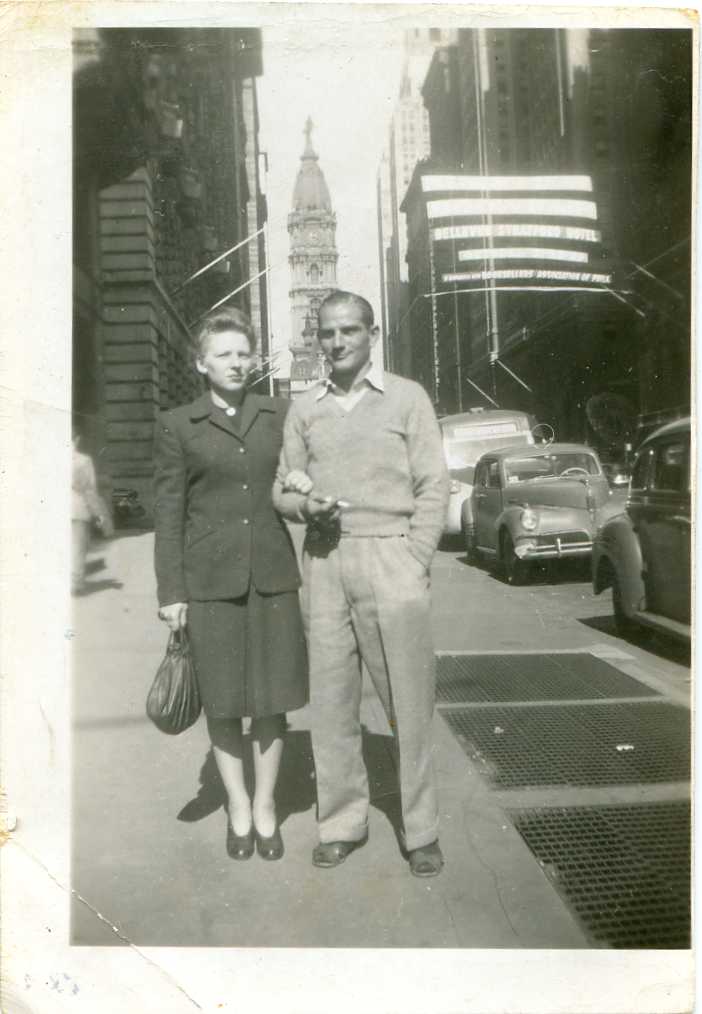
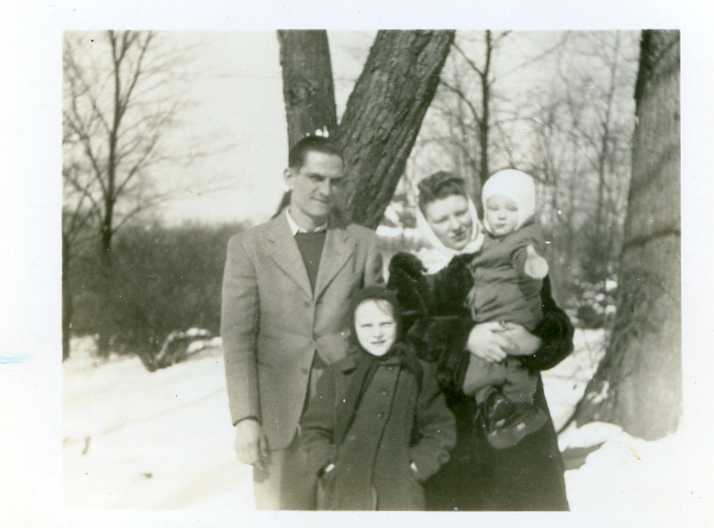
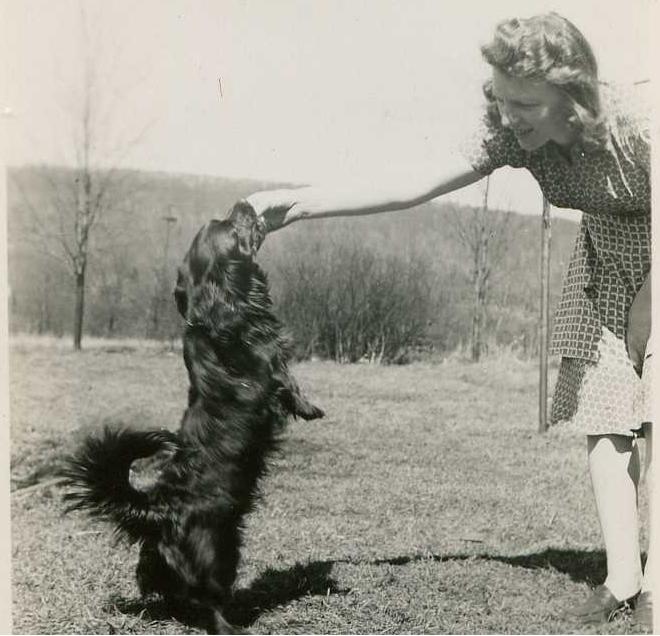
Pictures of Laura
Pictures taken across the years, spanning between 1938 and 1960.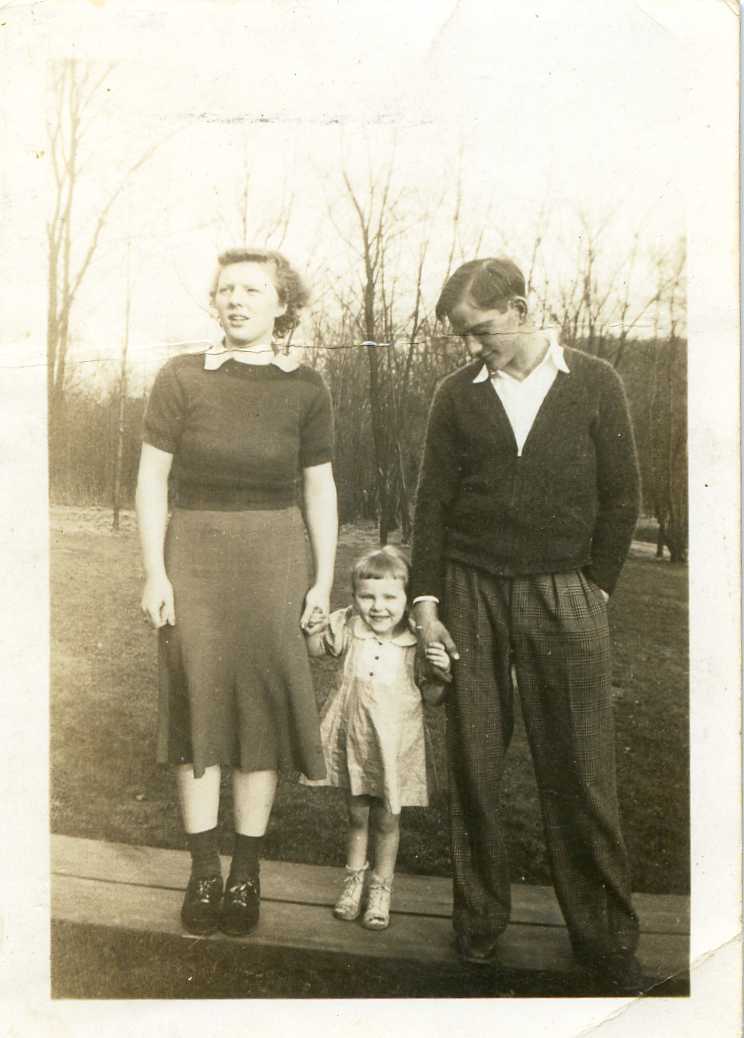







Frequently Asked Questions
& Troubleshooting
- How long do the candles burn for?
- Why do the candles sometimes have a white flaky surface?
- Is it safe to burn the candles sitting directly on tables and counters?
- I want to reuse the container. How do I do that?
- The wax is extinguishing the flame.
- The candle 'curdled' or 'caked' after it cooled.
- The wick has a a mushroom shape on the end.
- On the tins, does the "oz." represent weight or volume?
- How long do the candles last in storage?
Frequently Asked Questions
How long do the candles burn for?
Tea candles will burn approximately 3-4 hours.
The 4 oz. tins will burn for approximately 12-16 hours.
Tea candles will burn approximately 3-4 hours.
The 4 oz. tins will burn for approximately 12-16 hours.
Why do the candles have a white flaky surface?
This is very common with soy candles. It's called "frosting". It's more noticeable in darker candles. It occurs during curing after the candles are first poured and is caused by the outer sides of the wax cooling faster than the inner portion of wax. This is rarely completely eliminated in hand made candles outside of factory controlled environments. "Frosting" does not affect the burn or scent of the candle, only the appearance. Many soy candle connoisseurs actually look for candle frosting, as that's an indicator the candle is 100% soy and hand poured.
This is very common with soy candles. It's called "frosting". It's more noticeable in darker candles. It occurs during curing after the candles are first poured and is caused by the outer sides of the wax cooling faster than the inner portion of wax. This is rarely completely eliminated in hand made candles outside of factory controlled environments. "Frosting" does not affect the burn or scent of the candle, only the appearance. Many soy candle connoisseurs actually look for candle frosting, as that's an indicator the candle is 100% soy and hand poured.
Is it safe to burn the candles sitting directly on tables and counters?
The larger candles are safe on glass. Tea candles should be in an appropriate container designed for them. Candle tins are footed to keep the bottom burning surface cool, but all candles should sit on a burn proof surface. Do not burn them directly on wood, laminate, or other surfaces where you would not sit a hot pot off the stove. Place candles on pedestals or heavy coasters.
The larger candles are safe on glass. Tea candles should be in an appropriate container designed for them. Candle tins are footed to keep the bottom burning surface cool, but all candles should sit on a burn proof surface. Do not burn them directly on wood, laminate, or other surfaces where you would not sit a hot pot off the stove. Place candles on pedestals or heavy coasters.
How do I re-use the container?
Warm the container until the excess wax has softened and melted, then use a paper towel to wipe out the wax. Never pour melted wax down a sink drain or any other drain! Wash the containers in hot soapy water and wipe dry. The wick plate can be pried off using a nail file, letter opener, or other similar tool. If there is still glue left in the container from the wick plate, use nail polish remover or rubbing alcohol to rub off the glue. Then wash the container in soapy water again.
Warm the container until the excess wax has softened and melted, then use a paper towel to wipe out the wax. Never pour melted wax down a sink drain or any other drain! Wash the containers in hot soapy water and wipe dry. The wick plate can be pried off using a nail file, letter opener, or other similar tool. If there is still glue left in the container from the wick plate, use nail polish remover or rubbing alcohol to rub off the glue. Then wash the container in soapy water again.
On the tins, does the "oz." represent weight or volume?
The "oz." on the tin labels indicate the size of the tin as regards to the capacity in volume it can hold if filled to the brim. The candle within the tin takes up approx. 80% of the volume. So in a 4 oz. tin, the candle takes up about 3.25 oz. The actual weight of the empty 4 oz. tin is 1.09 oz. The weight of the tin with the candle is approx. 4.25 oz. and fluctuates slightly depending on the weight of the wax, fragrance, wick and dye used.
The "oz." on the tin labels indicate the size of the tin as regards to the capacity in volume it can hold if filled to the brim. The candle within the tin takes up approx. 80% of the volume. So in a 4 oz. tin, the candle takes up about 3.25 oz. The actual weight of the empty 4 oz. tin is 1.09 oz. The weight of the tin with the candle is approx. 4.25 oz. and fluctuates slightly depending on the weight of the wax, fragrance, wick and dye used.
How long do the candles last in storage?
Soy Candles are a natural vegetable extract made from soy beans. They may easily spoil over time or lose their scent and/or color if they are left unsealed or stored in warm or sunny places. Soy candles should be stored in cool and dark places, and in air tight containers. Candle tins are easily stored with the lids left on, tea candles can be stored in zip lock bags or other air tight containers. When properly stored, your candle should last at least 8 months, and even as long as 3 years. We suggest rather than storing the candles, go ahead and light them up. After all, isn't that why you got them? ;-)
Soy Candles are a natural vegetable extract made from soy beans. They may easily spoil over time or lose their scent and/or color if they are left unsealed or stored in warm or sunny places. Soy candles should be stored in cool and dark places, and in air tight containers. Candle tins are easily stored with the lids left on, tea candles can be stored in zip lock bags or other air tight containers. When properly stored, your candle should last at least 8 months, and even as long as 3 years. We suggest rather than storing the candles, go ahead and light them up. After all, isn't that why you got them? ;-)
Troubleshooting Soy Candles
The wax is extinguishing the flame.
This shouldn't happen. If it does, do not try to pour out extra wax. Blow out the candle, making sure the wick is out completely. Use a paper towel to dip into the hot wax and soak it up until the wick appears to be at least 1/8th inch above the wax. Let the candle harden before relighting the candle.
This shouldn't happen. If it does, do not try to pour out extra wax. Blow out the candle, making sure the wick is out completely. Use a paper towel to dip into the hot wax and soak it up until the wick appears to be at least 1/8th inch above the wax. Let the candle harden before relighting the candle.
The candle 'curdled' or 'caked' after it cooled.
This sometimes happens with 100% soy if there is too much fragrance oil. But with lighter scented candles, it's more likely caused due to the temperature difference between the outer wax and the inner wax. For example, if the candles shipped on very hot days where the wax began to melt, then the candle needs to cure again before lighting. So if when you get your candles, the wax is soft- wait 2 or 3 days until the wax has hardened and set again with the inner wax. If your candle curdles or cakes, it won't affect the scent or burn, it's just ugly. You can relight a candle that curdled or caked, and it will burn fine. It usually "rights" itself on the next cool down.
This sometimes happens with 100% soy if there is too much fragrance oil. But with lighter scented candles, it's more likely caused due to the temperature difference between the outer wax and the inner wax. For example, if the candles shipped on very hot days where the wax began to melt, then the candle needs to cure again before lighting. So if when you get your candles, the wax is soft- wait 2 or 3 days until the wax has hardened and set again with the inner wax. If your candle curdles or cakes, it won't affect the scent or burn, it's just ugly. You can relight a candle that curdled or caked, and it will burn fine. It usually "rights" itself on the next cool down.
The wick has a mushroom shape on the end.
That is called a carbon ball. It can happen if the wick is soaking up wax faster than it can burn it off, so it builds up a carbon deposit at the end of the wick. Once the candle has cooled down and hardened again, simply cut the wick below the carbon ball, ideally trimming it down to 1/4".
That is called a carbon ball. It can happen if the wick is soaking up wax faster than it can burn it off, so it builds up a carbon deposit at the end of the wick. Once the candle has cooled down and hardened again, simply cut the wick below the carbon ball, ideally trimming it down to 1/4".
Soy Wax v.s. Paraffin Wax
Although both soy and paraffin candle waxes are very similar in appearance, they are profoundly different in their composition and how they are manufactured. And because the waxes are so different, their properties are very different in terms of how these candles are produced, as well as how the finished candles comparatively perform.Soy Candle Pro's
- Derived from vegetables, is 100% non toxic, biodegradable and all natural.
- Burns 25% - 50% longer than Paraffin due to slower and cooler burning temperature. So the scent is released in the air in a more gradual manner, abrupt waves of strong smell are avoided.
- Burns cleaner and more completely.
- Easy to clean, soy wax residue can be washed away with warm water and soap.
- Purchasing soy products supports the soy farmers of America.
Soy Candle Con's
- Soy wax is more expensive. Although in the long run it evens out, as they also burn longer.)
- Soy wax candles are softer and more easily scratched and marked.
- Soy wax makes it more difficult to get strong fragrances to emit during burning.
- Candle production requires 1 to 2 weeks for candles to cure properly, making inventory and special orders more susceptible to long waiting periods for availability.
Paraffin Candle Pro's
- Wax is less expensive. (However, it also burns faster than soy wax.)
- Wax is harder and less susceptible to scratches and marks
- Paraffin wax generally has a much stronger fragrance distribution that will fill larger living spaces more quickly.
- Candle production requires very little cure time (24-48 hours) making inventory and special orders able to turn around quickly.
Paraffin Candle Con's
- Derived from petroleum, which is a limited resource.
- Burning Paraffin candles emits petro-chemicals causing soot deposits and carcinogenic particulate matter.
- Paraffin wax is really hard to clean or remove from anything.
- Paraffin wax is not bio-degradable.